
During the holiday season I got reminded of an idea I sometimes bring up jokingly (usually after a few drinks): A theory of food evolution! It goes something like this:
Food is an evolving story of culture, survival, and adaptation. Akin to how species evolve, recipes adapt to different environments, and evolve under different pressures, including cultural preferences, global trends, and scientific advances. The evolution of food mirrors the very processes that drive life itself!
But could food evolution be more than a metaphor or silly analogy? Could it be a real framework with predictive power, capable of explaining trends, extinctions, and innovations? I think so. And I will even be so bold as to make some predictions before this post is over! After all, a theory that does not make testable predictions is not worth much.
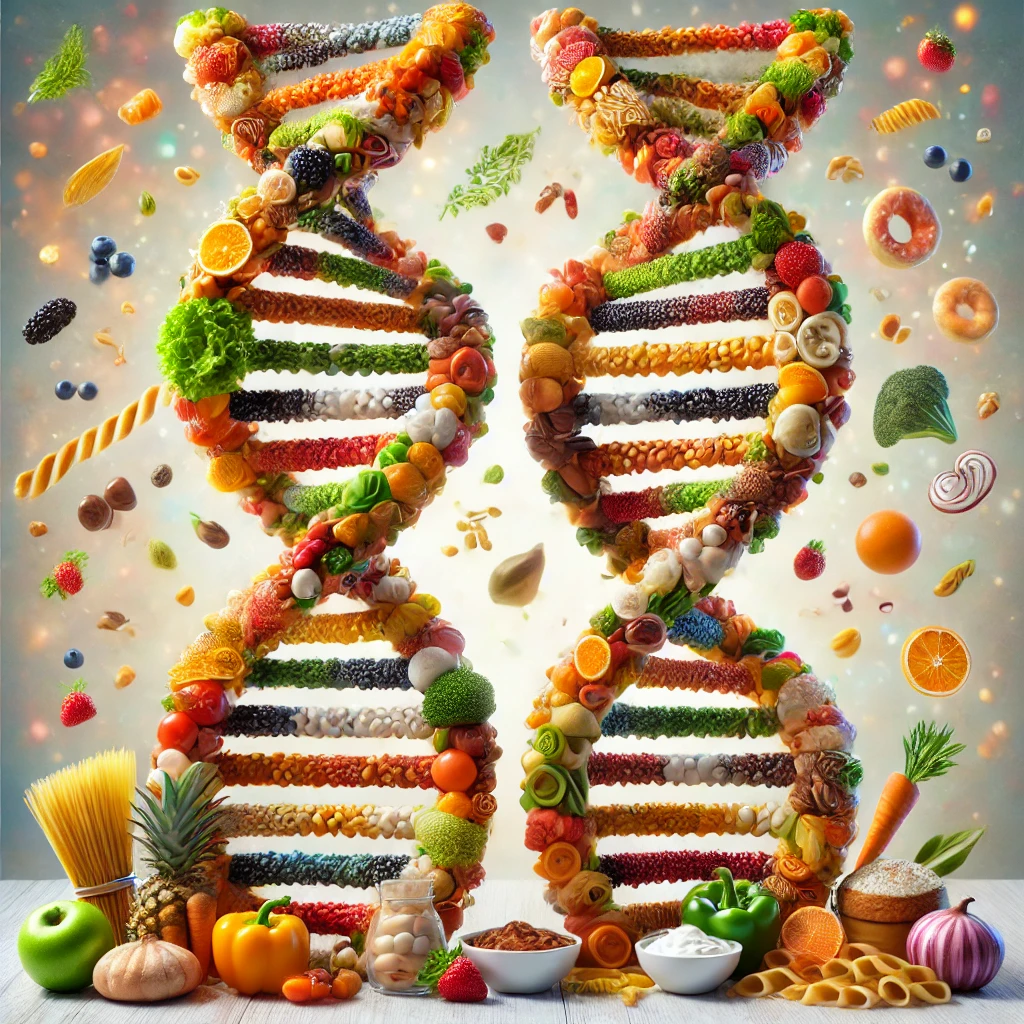
Recipes as Genetic Code, Ingredients as Genes
Imagine recipes as the genetic code, the blueprint for creating a dish. Ingredients are the genes, determining the flavor, texture, and nutritional profile of the food. And just like in biology, the final product – the dish – results from a combination of the recipe, ingredients, and cooking methods (akin to gene expression). In other words, we can make the following analogies:
1. Recipes = Genetic Code
The recipe is the blueprint for a dish, much like DNA is the genetic code that determines the structure and function of an organism. Recipes are passed down, sometimes adapted, but are always central to the outcome.
2. Ingredients = Genes
Ingredients are the building blocks of a dish, akin to the genes within DNA. Changes to the ingredients, such as substituting meat for tofu or adding a new spice, are like genetic mutations that affect the final product.
3. Cooking Techniques = Gene Expression
The way ingredients are combined and prepared (boiled, baked, fried) determines how the “genes” are expressed. The same ingredients (genes) can produce vastly different results based on the technique (gene expression) – for example, a raw tomato vs. a roasted one.
4. Dish = Organism
The finished dish is the “organism” resulting from the recipe, ingredients, and cooking method. The dish reflects the interactions of its components and the environment in which it was made.
The Survival of the Tastiest?
Like organisms in nature, dishes face pressures that shape their evolution over time. What are they?
While taste is arguably important, it’s far from the only factor that determines whether a dish thrives. Here are a few more:
- Cost. Economic constraints often drive adaptations of recipes. Ingredients that are expensive or scarce are replaced with affordable alternatives. For example, during times of scarcity, margarine became a cheaper alternative to butter. And in many regions of the world, street food developed as a cost-effective way to feed working populations.
- Convenience. Modern lifestyles prioritize speed and ease. This makes convenience a powerful driver of food evolution (more so than taste?) Recipes that once required hours of preparation are now simplified. Think for example of instant ramen noodles, or frozen ”ready-to-eat” meals (yuk).
- Health. Changing dietary preferences and health concerns can have dramatic influence on food evolution. Think for example of how gluten intolerances has spurred the developments of alternative versions of bread, pasta, and so much more (including, importantly, beer).
- Ethics. Changing ethical considerations are clearly reshaping the culinary world, influencing everything from sourcing to production. Take for example the rise of vegan plant-based meat alternatives, or lab-grown meat.
- Globalization. The blending of cultures is not as much an evolutionary pressure in itself , but a facilitator that has led to a rapid exchange of recipes, techniques, and ingredients, driving the creation of hybrid dishes. Sushi burritos, or Swedish kebab pizza are examples of hybrid dishes that show how globalization creates new culinary niches. The latter example is an Italian dish evolved by immigrants from the balkans and the Middle East. The dish share several ingredients with the döner kebab, itself invented by a Turkish immigrant to Germany.
- Technology. Technological advances have been pushing the boundaries of what’s possible in food production and preparation since the dawn of history. More recent examples include the use of artificial intelligence to analyze flavor combinations and create entirely new dishes, and the development of 3D-printed food.
Predictions!
With a theory in hand, we can apply the identified evolutionary pressures (and undoubtedly others not yet listed) to make some food forecasts. For brevity’s sake I will limit this post to a few favorite predictions (what are yours?).
1. Space-Based Food
As a space nerd, I’d be remiss not to highlight that thanks to plummeting launch costs, we are likely at the cusp of a booming space economy. More people than ever before will work, and periodically live, in space. This development effectively creates a new environment for food to adapt and evolve in. I say new because historically, space food has been primarily prepackaged, dehydrated, and likely not overly appetizing. Launching ready-to-eat meals is also expensive. These are evolutionary pressures in favor of food production and preparation in space!
One obvious challenge is how to bake a pizza in zero G. Imagine trying to keep pizza toppings in place while the dough floats around! Might this be solved by the rise of spinning space ovens that use centrifugal force to simulate gravity? If you happen to start manufacturing such ovens after reading this, please remember who gave you the idea – I’d like a cut of the profits!
Other expected developments are algae-based meals, nutrient-dense dishes, and dishes relying on hydroponic farming systems. Cooking in zero gravity is sure to spark innovations, leading to entirely new species, pardon me.. recipes!
2. Automated Cooking of Personalized Food
I think the combined evolutionary pressures of convenience, technology, and health will inevitably result in artificial intelligence being coupled increasingly to cooking robotics. Yes, that will be used to make loads of unhealthy stuff. But combined with individual health tracking and knowledge of (ordinary) genetic profiles, this development is also likely to lead to recipes tailored specifically for your body!
3. Extinctions
Just as most species that ever existed have gone extinct, many human made dishes have as well been forgotten, or fallen completely out of use. How many that are lost is perhaps an active topic of research in a culinary sub-discipline of historiography? As this blog post is my sole endeavor into the topic of food history, I can but speculate that we are trailing biology and that there are more recipes alive today than ever before. But I do have concrete predictions for a few of those that will go extinct in the near future.
Basically all not-at-all-tasty “traditional” cuisine that we silly humans consume exclusively during select holidays hang on by a thread. The Swedish grisfotsaladåb (pigs feet in jelly – it is not an attractive form of nutrition!) is a prime example of dish definitely on the critically endangered list. My grandfather was the last one in our family to insist on its making. I predict it will be gone globally within a generation, and no more than two. Of course, no prediction is perfect. Maybe a gallant rescue operation will delay this particular inevitability slightly.
Other dishes within the same general category (from Scandinavia) includes lutfisk, rehydrated whitefish that takes on a gelatinous feel, and surströmming, fermented herring in a jar that smells like evil and that contains enough toxins to merit a special European Union exemption allowing its continued legal existence.
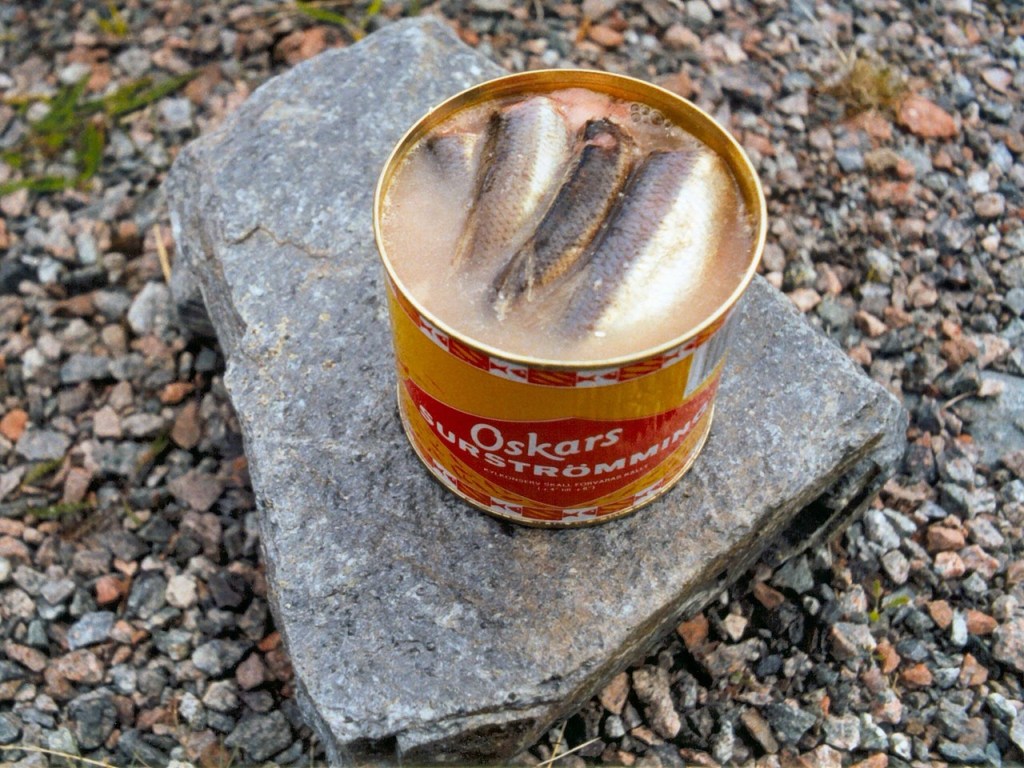
On second thought, while the grisfotsladåb and lutfisk are done for, surströmming might well stand eternal as long as there is a Swede alive in the universe. I suppose human civilization will insist on saving a few recipes out of pure principle, consequences be damned.
Food Evolution, A Real Theory?
A serious theory or not, I have found this idea offering a new way to think about the meals we eat, remember and create. I think food evolution is a real process with implications for culture, sustainability, and even survival. As such, this theory, perspective, call it what you will, can help us better connect with our past, understand our present and make educated guesses about our future. What do you think?
— Martin, January 4th, 2025
(idea evolved about 6-7 years earlier)
Feedback welcome on social media!
 Rahmlab